






GF21-11439K
GF21-11439K - Development of Advanced Zinc-Based Bioabsorbable Materials Using Powder Metallurgy Processes
(2021 - 2024; Grant Agency of the Czech Republic)
Investigator: doc. Ing. Jiří Kubásek, Ph.D.
Goal of the project
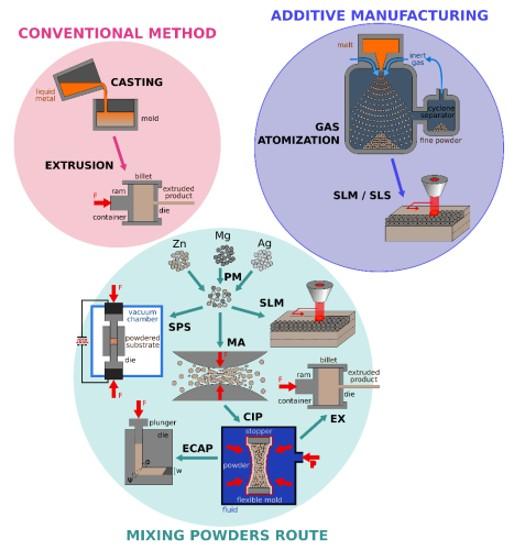
The use of zinc-based orthopaedic and cardiovascular medical devices has intensified over the past decade. Such materials must possess an excellent combination of mechanical, corrosion and biological properties, which are closely related to the materials’ microstructures. Although efforts have been made to improve the materials’ performance, conventional methods, including casting, extrusion, rolling and drawing, are normally considered. The aim of this project is the development of new, bio-absorbable, zinc-based alloys containing highly biocompatible magnesium and anti-bacterial silver, using rarely favoured powder-metallurgy techniques, like mechanical alloying, spark-plasma sintering, and selective laser sintering/melting. Detailed observations of the microstructures will be correlated with a variety of material properties, including the generally overlooked creep, fatigue and wear, which bring new knowledge about these relationships and enable the development of advanced bio-absorbable zinc alloys with tailored mechanical, corrosion and biological properties.
From Powder to Patient: How Powder Metallurgy Changed the Future of Biodegradable Zinc Implants
Every year, millions of people receive metallic implants to stabilise broken bones or restore damaged tissues. Although these devices perform their task remarkably well, they are designed to stay in the body long after they are no longer needed, often requiring a second surgery to remove them. For decades, scientists have searched for an alternative: a metal strong enough to support healing, yet capable of safely disappearing once its job is done.
Among all biodegradable metals, zinc appeared to offer almost everything researchers had been looking for. It corrodes at a rate close to the speed of bone healing, does not produce hydrogen gas like magnesium, and is a naturally occurring element essential for the human body. There was only one problem: zinc was simply too weak. Every conventional attempt to strengthen it introduced new complications, and it seemed as though the material had reached its natural limits. Our project began with a different question: What if the problem was not zinc itself - but the way we were making it?
Unlocking the Nanoworld through Powder Metallurgy
Instead of searching for yet another alloy composition, we turned our attention to the manufacturing process. We believed that if we could control the material from the level of individual powder particles, we might gain unprecedented control over its internal architecture. This idea led us to powder metallurgy.
Instead of melting and casting, we started with fine metallic powders. During mechanical alloying, millions of high-energy collisions repeatedly fractured and welded the material, creating microstructures that simply cannot be produced under normal conditions. The powders were then consolidated using Spark Plasma Sintering, a rapid process capable of transforming powders into dense materials within only a few minutes, preventing excessive grain growth, followed by hot extrusion.
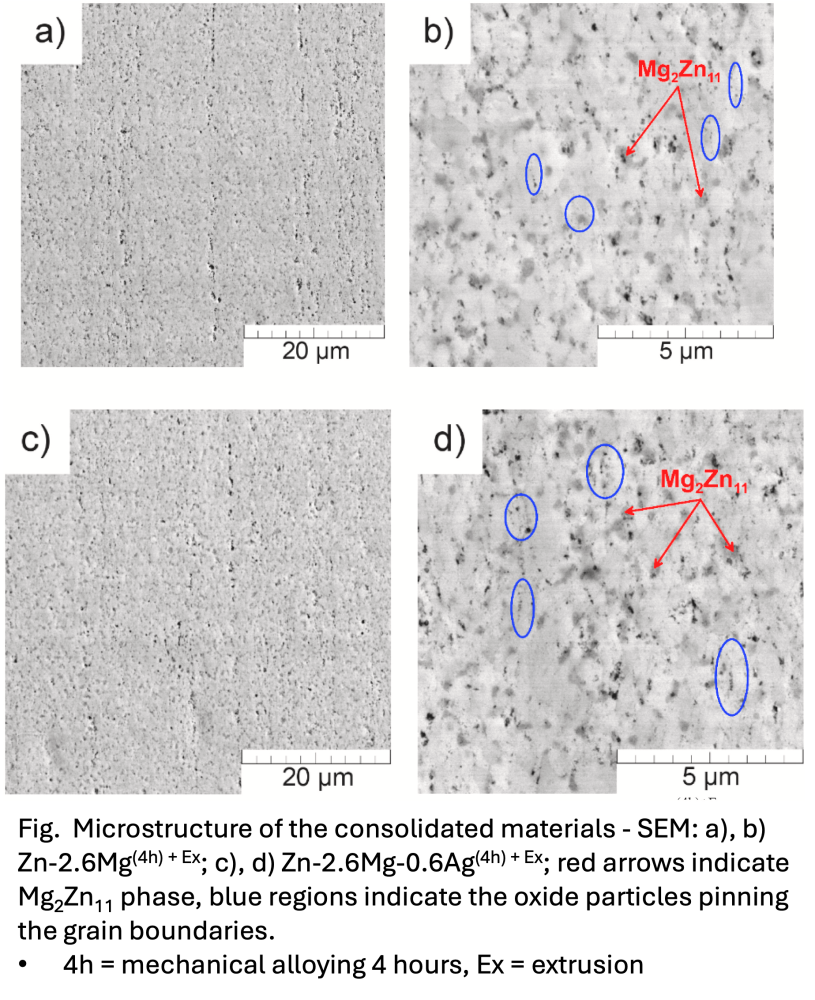
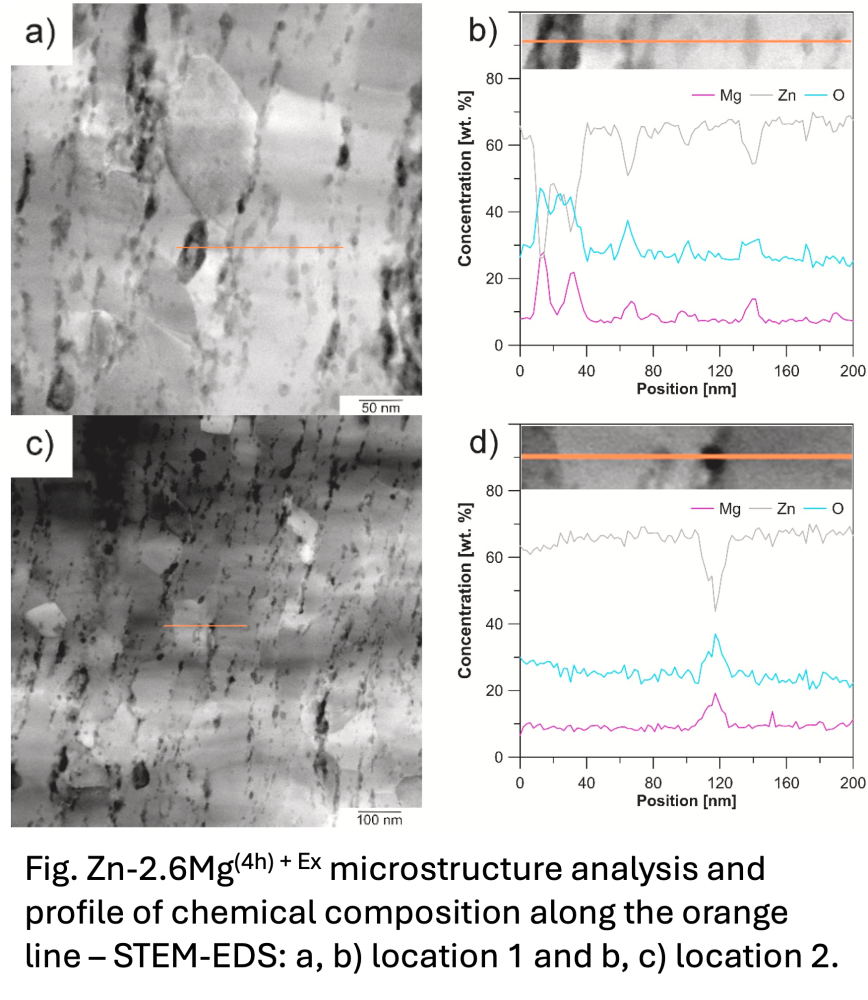
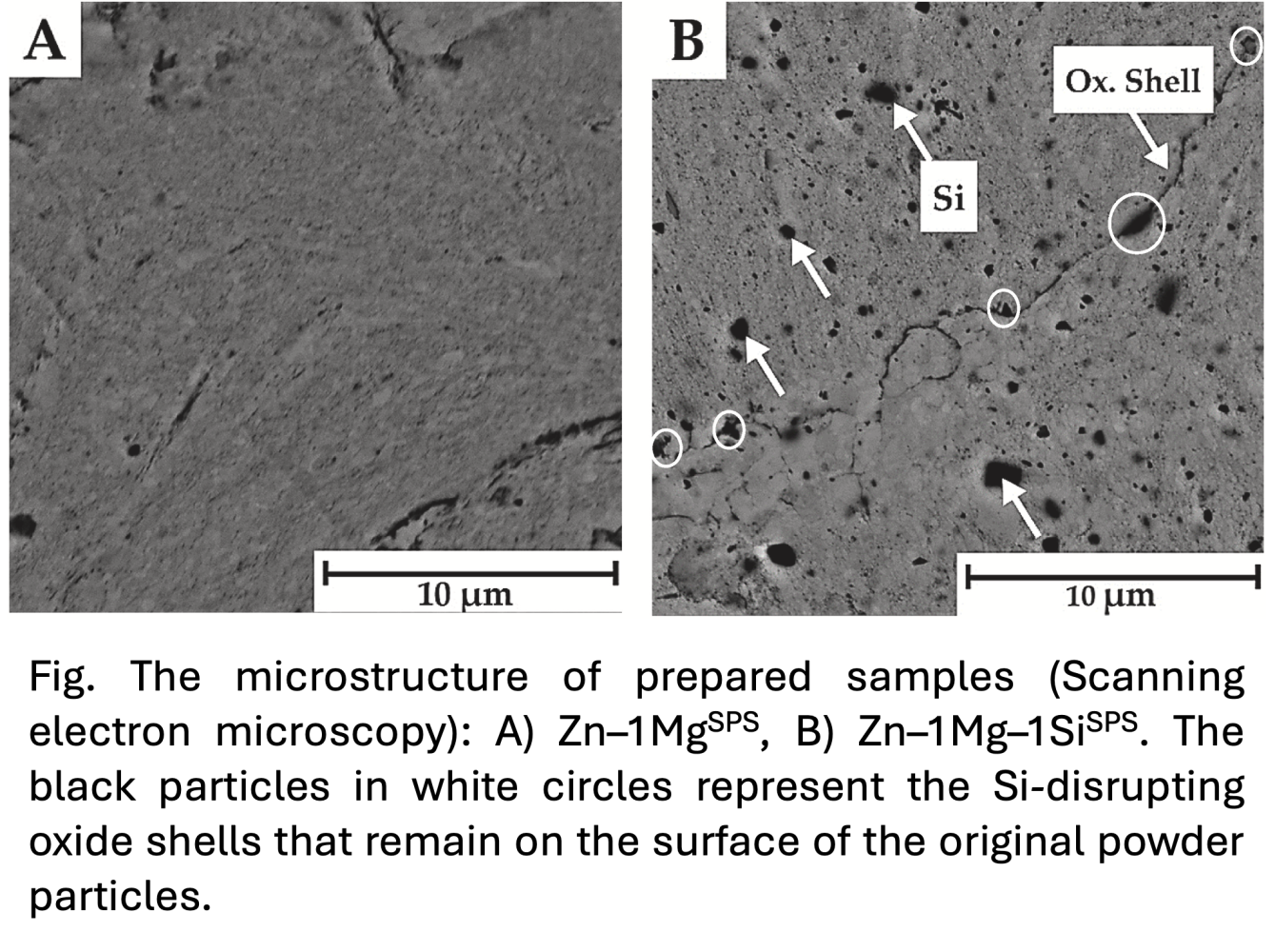
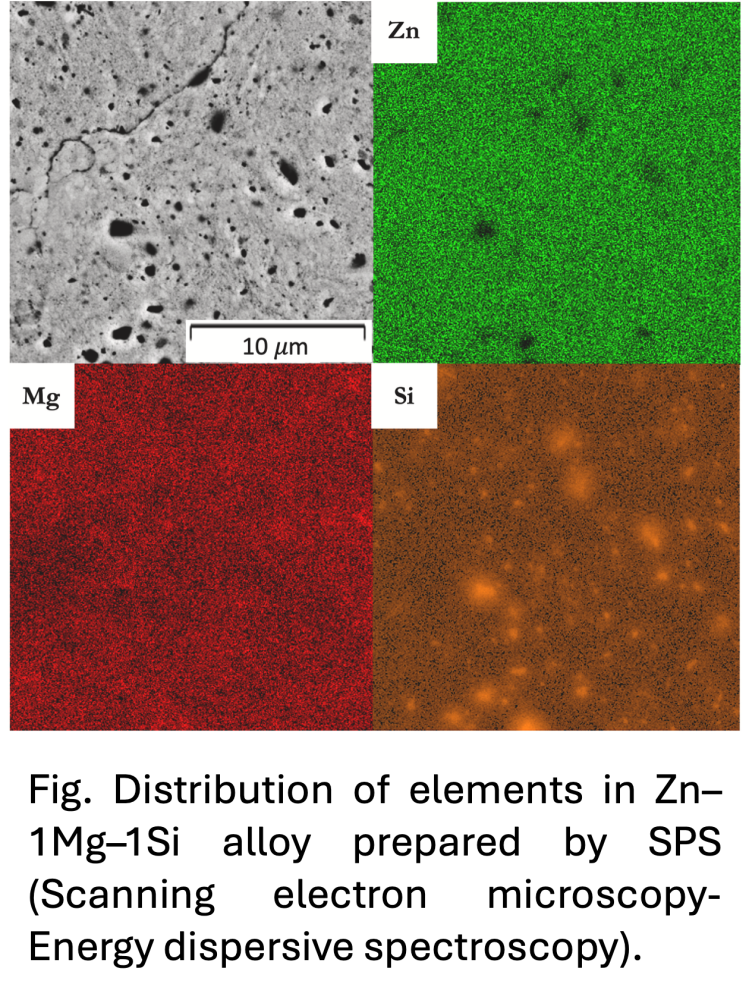
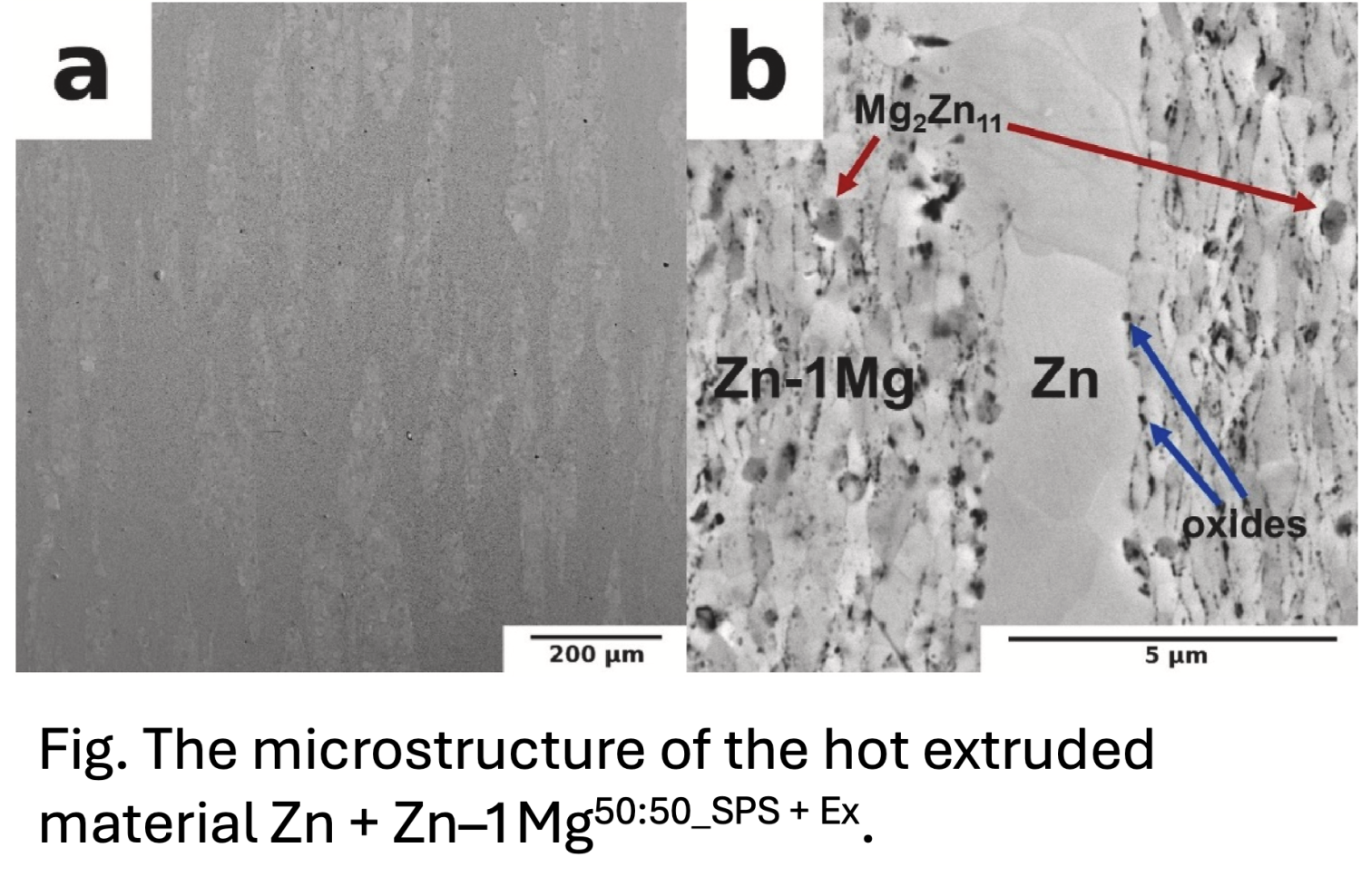
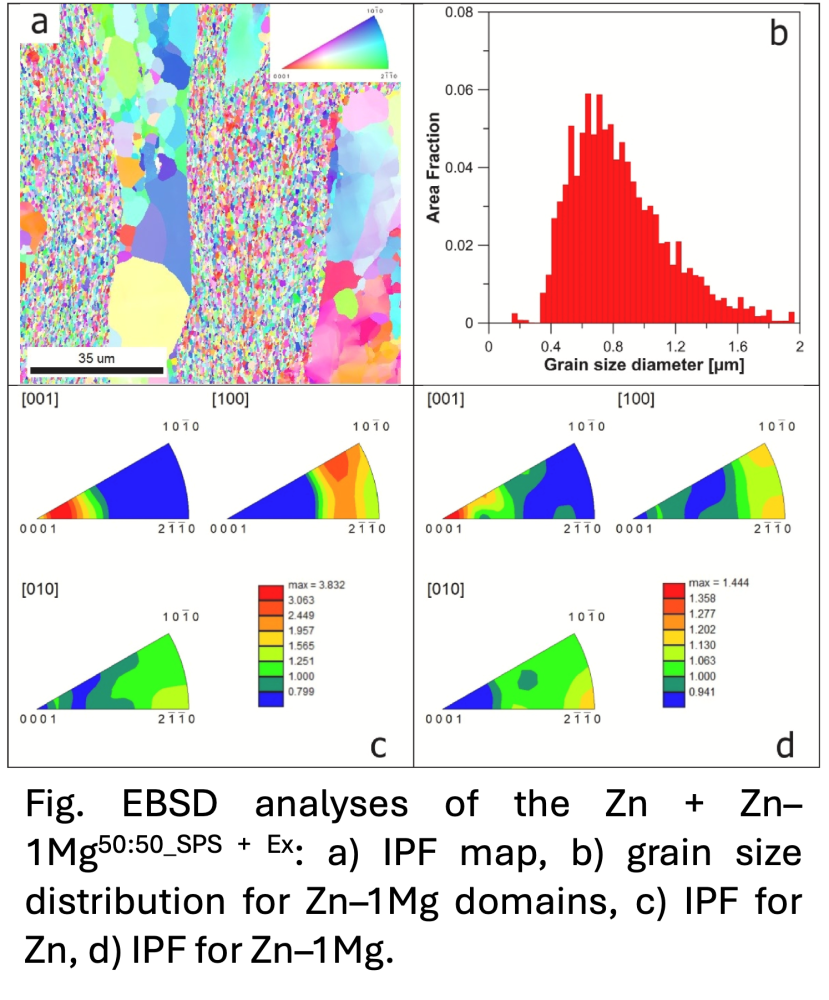
What emerged was an entirely new class of biodegradable materials. We produced zinc with grain sizes below one micrometre, tens or even hundreds of times smaller than conventional zinc. Crucially, the project revealed that tiny zinc oxides, naturally formed on powder surfaces and traditionally considered impurities, acted as microscopic anchors. They stabilised grain boundaries and allowed the material to continue growing stronger, turning a manufacturing detail into a major scientific discovery.
Mimicking Nature to Balance Strength and Degradation
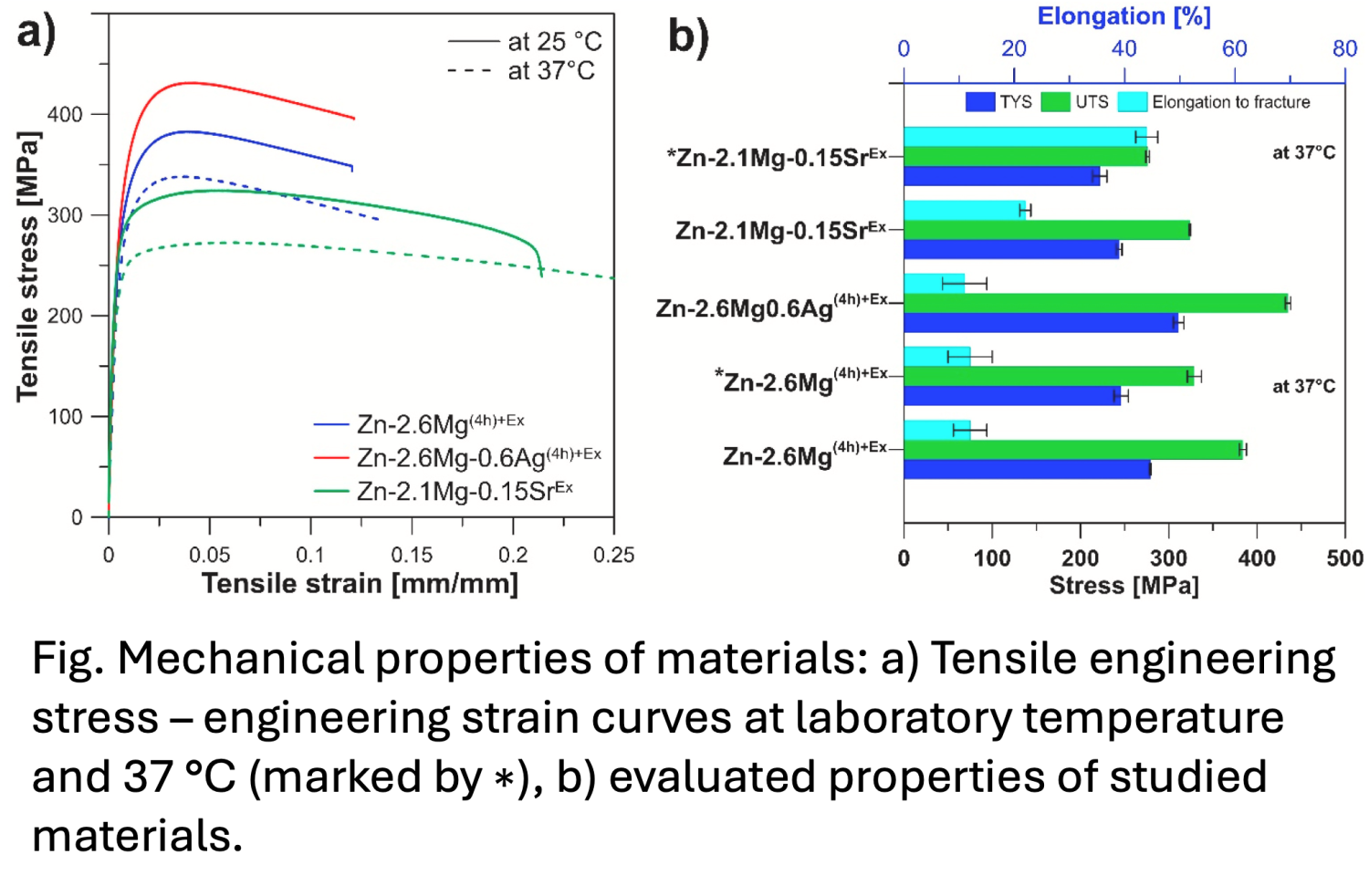
As our understanding deepened, the next challenge was to balance this newfound strength with ductility. Nature rarely relies on perfectly uniform structures, and neither should engineering materials. Inspired by this principle, we designed heterostructured zinc alloys in which softer, more ductile regions were interconnected with a continuous network of ultra-fine-grained reinforced material. The softer domains accommodated deformation, while the stronger network carried the mechanical load. Materials prepared by this route reached tensile strengths exceeding 400 MPa - more than an order of magnitude higher than pure zinc, while still retaining sufficient ductility for practical applications.
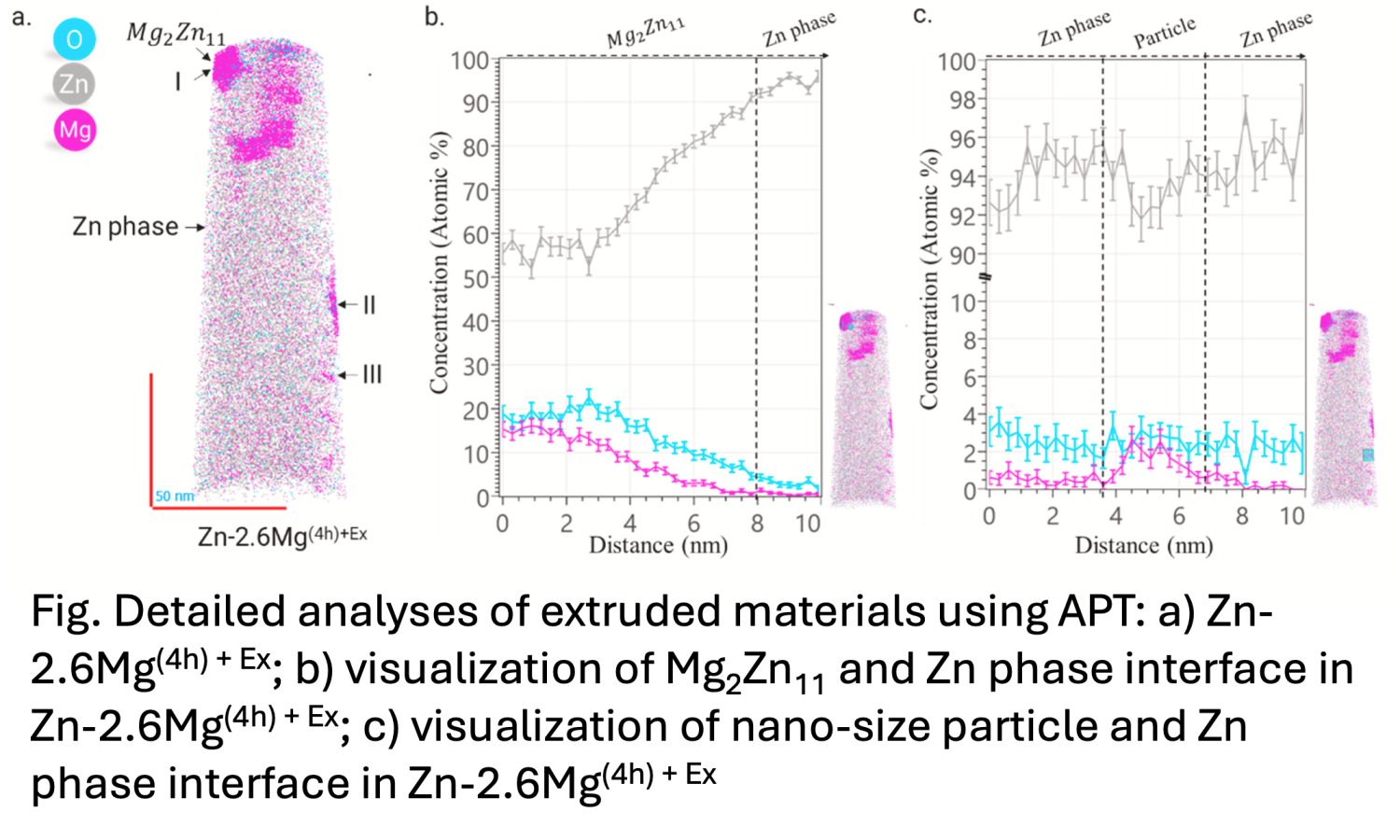
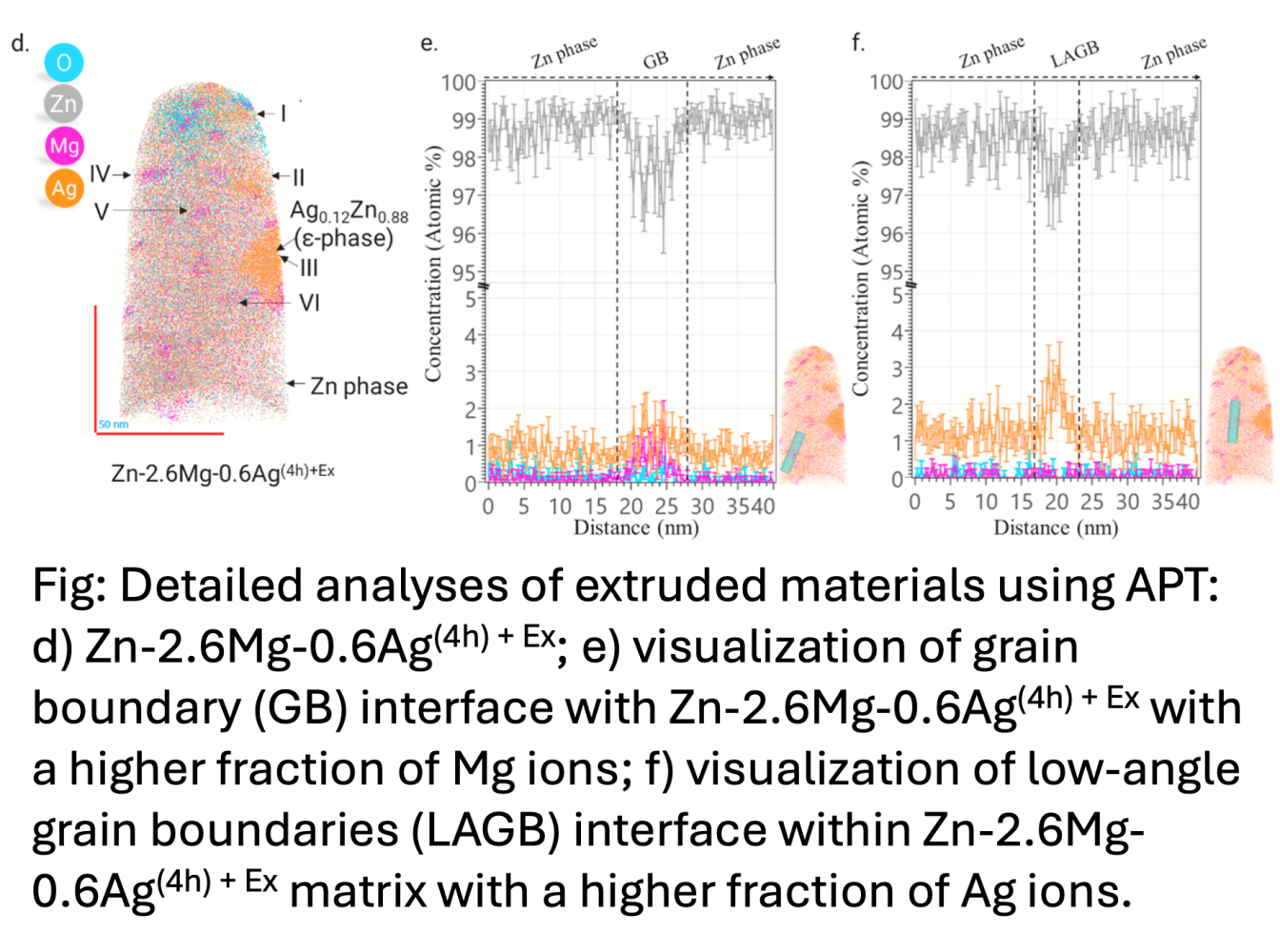
Yet mechanical performance represented only half of the story. A biodegradable implant must also disappear in a controlled and predictable manner. By combining atom probe tomography, focused ion beam microscopy, and advanced electrochemical methods, we reconstructed the degradation process from the atomic scale upwards.
We discovered that localised corrosion was not random; it originated from precise interactions between grain boundaries, oxide layers, and intermetallic particles. Once these mechanisms became clear, degradation was no longer something to merely observe, but became something that could be engineered.
Looking back today, the greatest achievement of the project is the demonstration that powder metallurgy can transform biodegradable zinc from a promising material into a genuinely engineerable material. By controlling powders, we learned to control grains; by controlling grains, we mastered deformation and degradation, moving us one step closer to implants that support the body exactly when needed and quietly disappear once healing is complete.
Project Publications
The project resulted in 12 peer-reviewed publications in leading international journals, collectively documenting the development of biodegradable zinc biomaterials, from powder processing and microstructure engineering to degradation mechanisms, biological evaluation and additive manufacturing.
Key Publications
- Kubásek et al. (2025) – Towards Increased Strength and Retained Ductility of Zn–Mg–(Ag) Materials for Medical Devices by Adopting Powder Metallurgy Processing Routes.
- Boukalová et al. (2024) – Harmonizing Microstructures and Enhancing Mechanical Resilience: Novel Powder Metallurgy Approach for Zn–Mg Alloys.
- Pinc et al. (2023) – A Detailed Mechanism of Degradation Behaviour of Biodegradable as-ECAPed Zn–0.8Mg–0.2Sr with Emphasis on Localized Corrosion Attack.
- Balog et al. (2024) – Hall–Petch Strengthening in Ultrafine-Grained Zn with Stabilized Boundaries.
- Nečas et al. (2024) – Exploring the Microstructure, Mechanical Properties, and Corrosion Resistance of Innovative Bioabsorbable Zn–Mg–(Si) Alloys Fabricated via Powder Metallurgy Techniques.
Complete Publication List
- Kubásek, J., Torkornoo, S., Nečas, D., et al. Towards Increased Strength and Retained Ductility of Zn–Mg–(Ag) Materials for Medical Devices by Adopting Powder Metallurgy Processing Routes. Journal of Materials Research and Technology, 37 (2025), 4345–4361. https://doi.org/10.1016/j.jmrt.2025.06.185
- Boukalová, A., Nečas, D., Dvorský, D., Šťovíček, J., Pokorný, J., Kubásek, J. Tensile Behaviour of Zn–Mg Heterostructured Materials for Biodegradable Implant Applications. Manufacturing Technology, 25 (2025). 10.21062/mft.2025.078
- Nečas, D., Hybášek, V., Pinc, J., Školáková, A., Voňavková, I., Hosová, K., Zlámal, M., Boukalová, A., Pokorný, J., Dvorský, D., Minárik, P., Veselý, J., Donik, C., Vojtěch, D., Kubásek, J. Exploring the Microstructure, Mechanical Properties, and Corrosion Resistance of Innovative Bioabsorbable Zn–Mg–(Si) Alloys Fabricated via Powder Metallurgy Techniques. Journal of Materials Research and Technology, 29 (2024), 3626–3641. https://doi.org/10.1016/j.jmrt.2024.02.066
- Jablonská, E., Mrázková, L., Kubásek, J., Vojtěch, D., Paulin, I., Ruml, T., Lipov, J. Characterization of hFOB 1.19 Cell Line for Studying Zn-Based Degradable Metallic Biomaterials. Materials, 17 (2024), 915. https://doi.org/10.3390/ma17040915
- Boukalová, A., Kubásek, J., Nečas, D., Minárik, P., Donik, C., Dvorský, D., Vojtěch, D., Michalcová, A., Godec, M., Paulin, I. Harmonizing Microstructures and Enhancing Mechanical Resilience: Novel Powder Metallurgy Approach for Zn–Mg Alloys. Journal of Materials Research and Technology, 31 (2024), 2807–2819.https://doi.org/10.1016/j.jmrt.2024.06.223
- Balog, M., Křížik, P., Školáková, A., Svec, P., Kubásek, J., Pinc, J., et al. Hall–Petch Strengthening in Ultrafine-Grained Zn with Stabilized Boundaries. Journal of Materials Research and Technology (2024). https://doi.org/10.1016/j.jmrt.2024.11.132
- Pinc, J., Školáková, A., Hybášek, V., Msallamová, Š., Veřtát, P., Ashcheulov, P., Vondráček, M., Hývl, M., Banerjee, S., Drahokoupil, J., Kubásek, J., Vojtěch, D., Čapek, J. A Detailed Mechanism of Degradation Behaviour of Biodegradable as-ECAPed Zn–0.8Mg–0.2Sr with Emphasis on Localized Corrosion Attack. Bioactive Materials, 27 (2023), 447–460. https://doi.org/10.1016/j.bioactmat.2023.04.012
- Nečas, D., Voňavková, I., Pinc, J., Dvorský, D., Kubásek, J. Nanograined Zinc Alloys with Improved Mechanical Properties Prepared by Powder Metallurgy. Materials Science Forum (2023). https://doi.org/10.1093/micmic/ozad067.076
- Balog, M., Marques de Castro, M., Čapek, J., Svec Jr., P., Takačová, M., Csaderová, L., Sedláčková, E., Svastová, E., Školáková, A., Dvorský, D., Pinc, J., Hybášek, V., Kubásek, J., Křížik, P., Skiba, J., Bajana, O., Ibrahim, A. M. H. Suppression of Mechanical Instability in Bioabsorbable Ultrafine-Grained Zn through In-Situ Stabilization by ZnO Nanodispersoids. Journal of Materials Research and Technology, 25 (2023), 4510–4527. https://doi.org/10.1016/j.jmrt.2023.06.252
- Pinc, J., Kubásek, J., Drahokoupil, J., Čapek, J., Vojtěch, D., Školáková, A. Microstructural and Mechanical Characterization of Newly Developed Zn–Mg–CaO Composite.Materials, 15 (2022), 8703. https://doi.org/10.3390/ma15238703
- Nečas, D., Kubásek, J., Pinc, J., Marek, I., Donik, C., Paulin, I., Vojtěch, D. Ultrafine-Grained Zn–Mg–Sr Alloy Synthesized by Mechanical Alloying and Spark Plasma Sintering. Materials, 15 (2022), 8379. https://doi.org/10.3390/ma15238379
- Nečas, D., Marek, I., Pinc, J., Vojtěch, D., Kubásek, J. Advanced Zinc–Magnesium Alloys Prepared by Mechanical Alloying and Spark Plasma Sintering. Materials, 15 (2022), 5272. https://doi.org/10.3390/ma15155272
Acknowledgement
This research was made possible primarily through the support of the Czech Science Foundation (GA CR) under project No. 21-11439K.
The project also benefited enormously from the expertise, enthusiasm and dedication of a broad international research consortium. We sincerely thank our colleagues from the University of Chemistry and Technology, Prague, the Institute of Metals and Technology (Ljubljana), the Institute of Physics of the Czech Academy of Sciences, the Institute of Materials and Machine Mechanics of the Slovak Academy of Sciences, the Max Planck Institute for Sustainable Materials, Warsaw University of Technology, Charles University, the Slovak University of Technology in Bratislava, the Jožef Stefan Institute, the University of Maribor, and all other collaborating institutions. By bringing together complementary expertise in powder metallurgy, advanced microscopy, corrosion science, mechanics, biology and additive manufacturing, this consortium transformed individual studies into a coherent research programme and established lasting scientific collaborations that continue well beyond the lifetime of the project.
Finally, we would like to express our sincere gratitude to all researchers, students, technicians and supporting staff whose curiosity, creativity and commitment contributed to this project. Scientific projects eventually come to an end, but the questions they raise continue to inspire new ideas. We hope that the knowledge generated throughout this work will support future research on biodegradable metallic biomaterials and contribute to the development of safer, smarter and more sustainable medical implants for future generations.
Images From The Research