





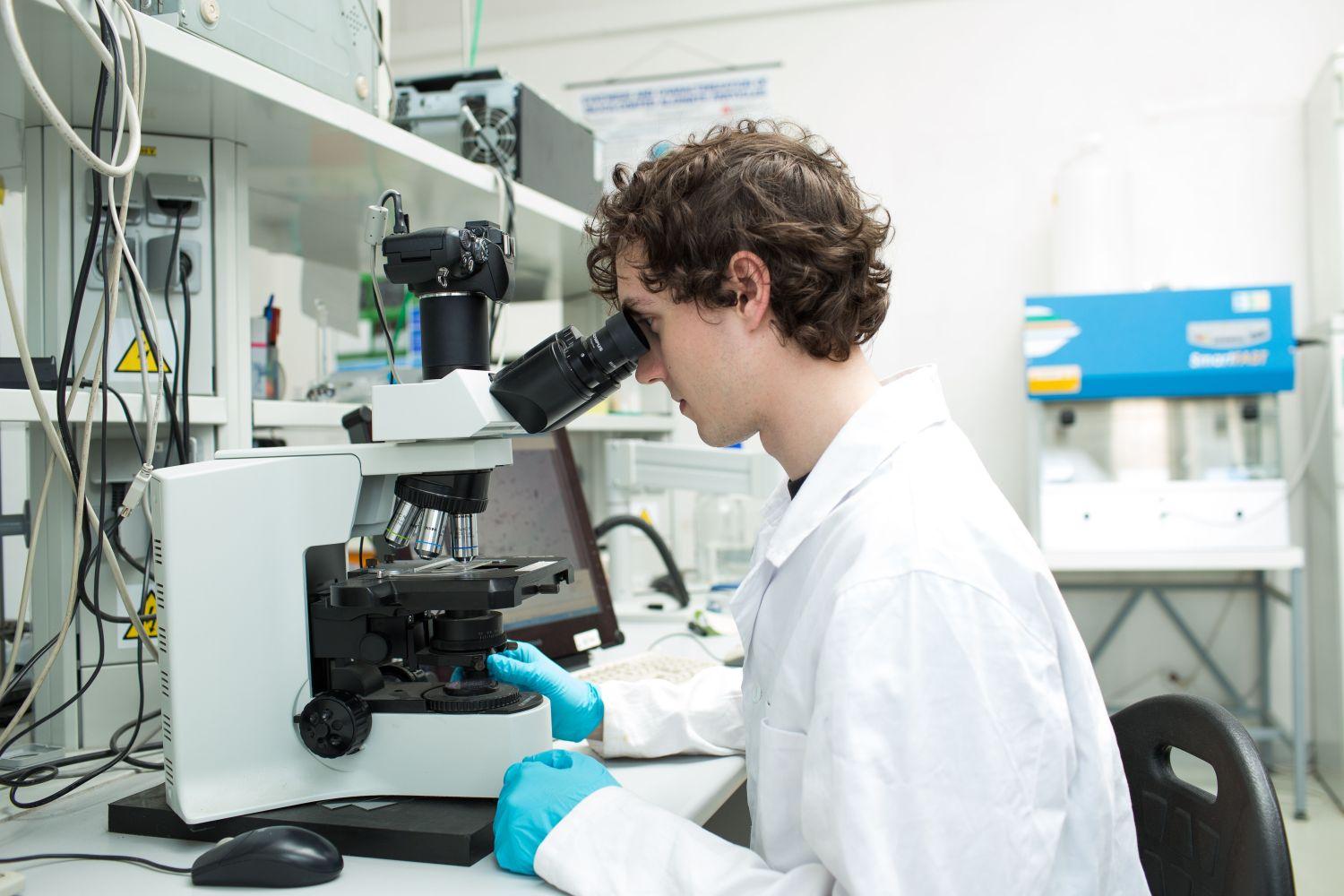
The purpose of chemical metallurgy is to produce metals from raw materials. These can include ores and minerals, as well as various waste materials, in both solid and liquid forms. Chemical metallurgy is thus the very first step on the path from raw materials to final products containing metals, including those where this may not be obvious at first glance (such as lithium in batteries for electronics and electric vehicles). It focuses on researching methods to streamline existing production processes and adapt them to sources containing lower concentrations of metals. This is necessary as deposits of metal-rich ores are being depleted. At the same time, chemical metallurgy explores methods for extracting metals from non-traditional raw materials—such as deep-sea nodules. Chemical metallurgy also has a significant impact on the environment, as a major area of its scope is the recycling of metal-bearing waste. This not only facilitates the use of secondary resources but also conserves primary raw materials.


Research Topics:

Extraction of lithium from lithium-bearing ores

  • InCeMe Project

Processing of Energy Byproducts

  • Green Mine Project, Just Transition Operational Program

Technological Processing of Deep-Sea Concretions 


Research and Development of a New Technology for Producing High-Purity Magnesium from Waste Magnesium Alloys 


Preparation of Metal Nanoparticles as Fillers for Gas Separation Membranes

  • GAČR Project 24-11041S
 

Contact Person

Ing. Hong Ng. Vu , Ph.D.

Head of the Chemical Metallurgy Group, Assistant Professor

Vun@vscht.cz +420220445025 A50a

  • Research Group Leader: He works at the University of Chemistry and Technology, Prague, at the Department of Metallic Materials and Corrosion Engineering, where he leads a specialized research group focused on chemical metallurgy.
  • Key Research: He specializes in the fields of chemical and hydrometallurgy, metal extraction from primary and secondary raw materials, recycling of waste materials, and the development of sustainable metallurgical processes.
  • Industry Connections: He actively participates in the institute’s scientific and research projects, coordinates his group’s laboratory activities (including advanced technologies such as high-pressure autoclaves), and successfully bridges academic research with environmental and industrial trends.
  • Professional CV with achievements here.