





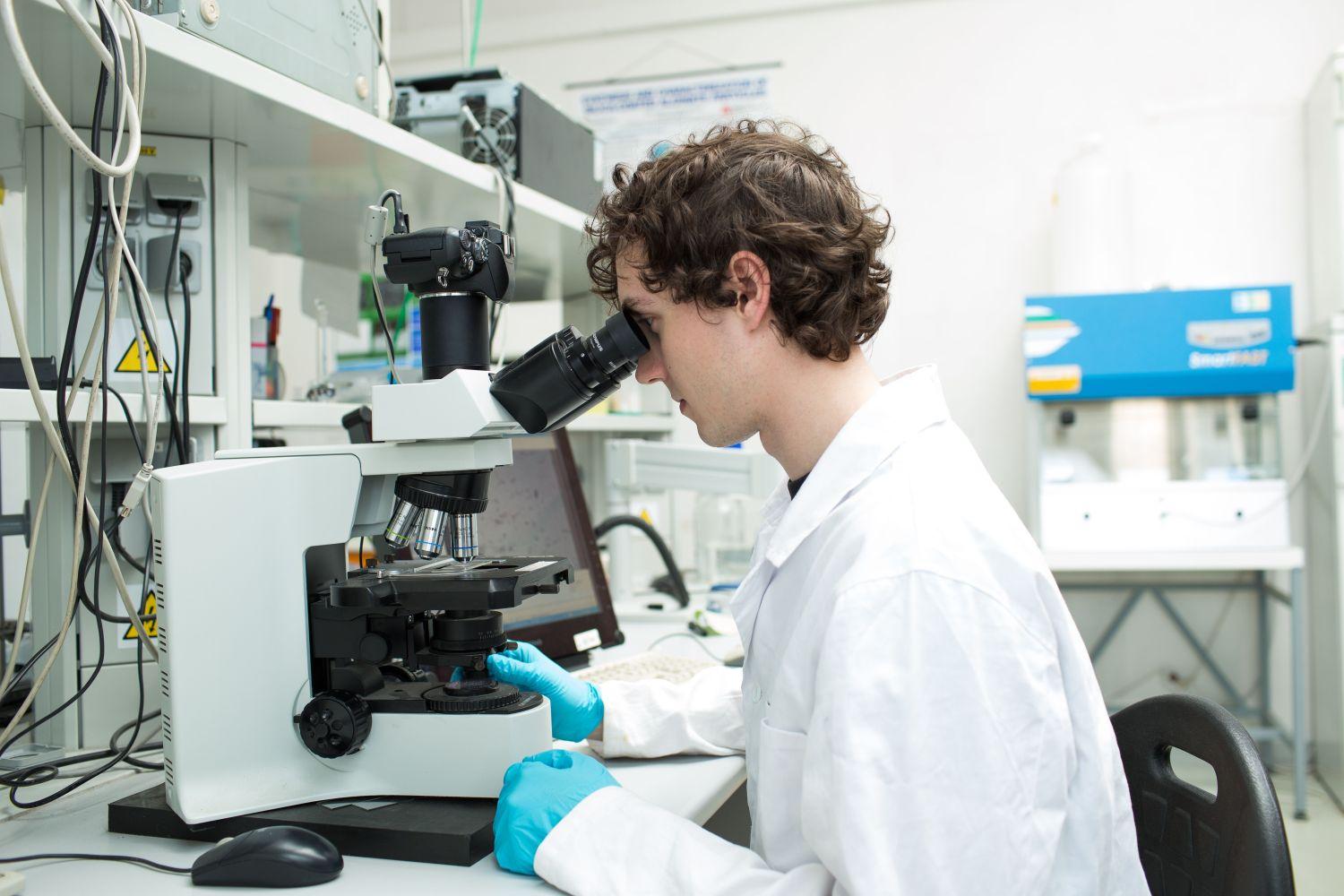
Metal corrosion also includes the subfield of Conservation and Restoration of Metal Arts and Crafts, which primarily deals with the restoration and conservation of metal monuments and archaeological finds.  This field is linked both to researching and identifying the causes of their degradation (corrosive and structural) and to monitoring the environments in which metal monuments and archaeological finds are located. The subfield of Conservation and Restoration of Metal Art and Craftworks is closely linked to the activities of museums, storage facilities, religious buildings, art schools, and private collectors, and thus contributes significantly to improving the conditions for the protection and storage of historical artifacts in these environments.


Research Topics:

Deterioration of Historic Structures Made of Metal Materials

  • A study of the degradation mechanism of lead-tin alloys in organ instruments, stained-glass joints, solder, and lead seals, with regard to the presence of alloying elements in the alloys.

Description of Historical Technologies

  • Archeometry and the preservation of research data on archaeological finds, with an emphasis on describing historical technologies for the production of metal artifacts.

The Impact of the Environment on the Deterioration of Historic Metal Structures

  • Monitoring the effects of gaseous components in the air on the degradation of metal artifacts and corrosion monitoring. 

Development of Artificial Patinas for Copper Alloys 


Contact Person

Ing. Šárka Msallamová , Ph.D.

Head of the Conservation and Restoration of Metal Arts and Crafts Group, Assistant Professor

Sarka.Msallamova@vscht.cz +420220443750 A60a

  • Research Group Leader: He works at the Institute of Metallic Materials and Corrosion Engineering at the University of Chemistry and Technology, Prague, where he leads a specialized research group focused on surface engineering, protective coatings, and analytical methods in corrosion.
  • Key Research and Expertise: Specializes in characterizing the surface properties of materials (measuring roughness, surface energy, and contact angles using goniometry) and in advanced chemical analysis of solutions using UV-VIS spectroscopy and automated electrochemical titrations.
  • Links to Industry and Operations: Ensures the professional and smooth operation of the institute’s key analytical and metallographic laboratories; collaborates closely on applied projects focused on testing the stability and adhesion of modern protective coatings; and actively participates in teaching and supervising student projects.
  • A professional resume highlighting my achievements is available here.